Share Transportation Introduction on FacebookShare Transportation Introduction on X (formerly Twitter)Share Transportation Introduction on LinkedinEmail Transportation Introduction link
If you are viewing this website on a mobile device, please use full-screen mode (landscape).
Oro Valley is known for having well-maintained roadways and a comprehensive network of multi-use paths, bike routes, sidewalks, and a growing system of trails.
The community strives to improve safety and connectivity for all travelers in Oro Valley. Our priorities that shaped this part of the Plan include:
Maintaining roads in a proactive manner.
Increasing the efficiency of all signalized intersections.
Reducing dependency on vehicles through other modes of transportation like public transit, bicycling, walking, and more.
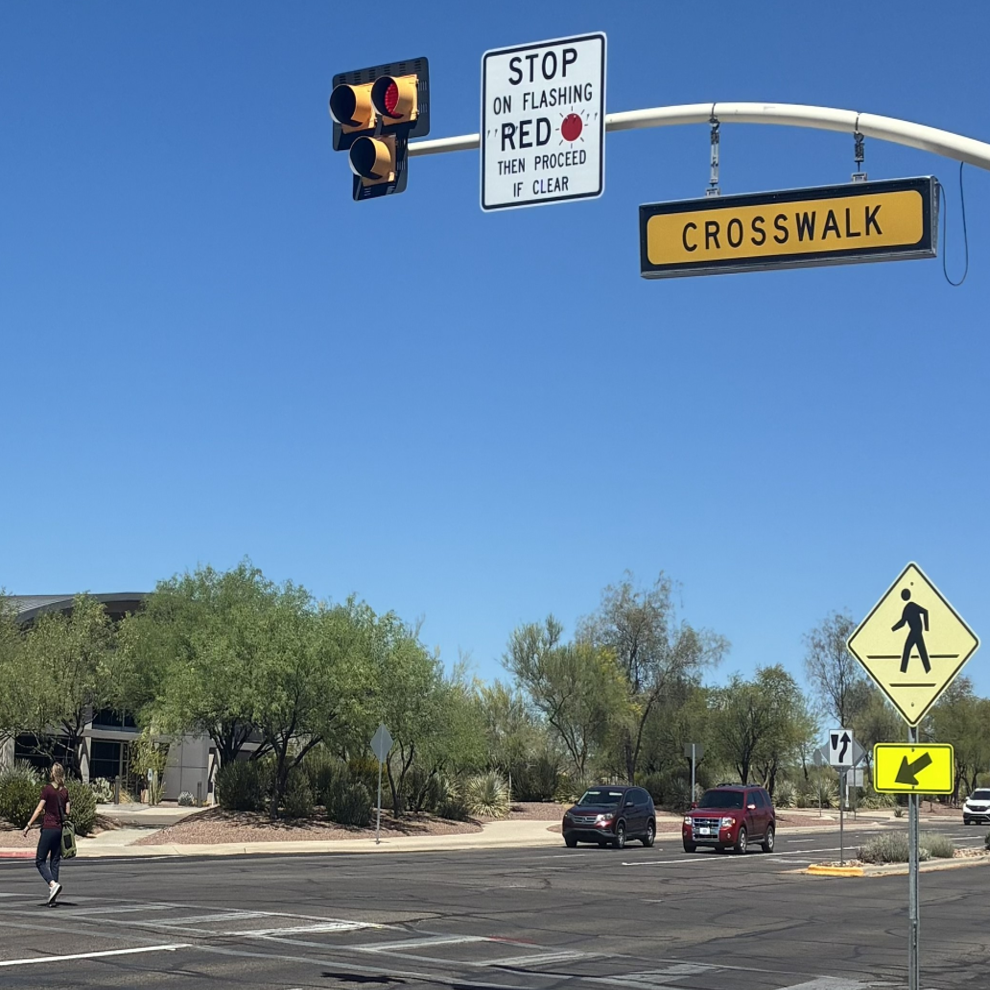
Increasing safety for all users, especially at major intersections.
Oro Valley's Roadway Network
Oro Valley’s Roadway Network includes four roadway classifications:
Major arterial.
Minor arterial.
Collector (major and minor).
Local.
Each of these classifications is designated by the Arizona Department of Transportation based on the number of lanes, the average daily traffic (ADT) volume, and the roadway’s accessibility and users’ mobility. Each classification covers a variety of functional and physical characteristics. The Circulation Classifications and Standards table below outlines the basic characteristics of each classification in Oro Valley. Detailed cross-sections for each classification are shown in Oro Valley’s Subdivisions Street Standards and Policies Manual. Please click here for the accompanying Circulation Map.
Street Classification
Service Function
Bike Facilities
Access
Medians
On-Street Parking
Sidewalks
Rights-of-Way
Major Arterial
High speeds, regional access
Curbed bike route, Multi-Use Land and/or Shared Use Path
Access suburban centers
Yes
None
None
150-300 feet
Minor Arterial
Moderate speeds and trip lengths
Curbed bike route. Multi-Use Lane and/or Shared Use Path
Intra-community continuity
Yes
None
Both sides on curbed streets
75-150 feet
Collector
Distribute trips from arterials to destination
Curbed bike route. Multi-Use Lane.
May penetrate residential neighborhoods
No
None
Both sides on curbed streets
50-150 feet
Local
Low speeds, through traffic discouraged
None
Direct access, lowest traffic mobility
No
One or both sides
Both sides on curbed streets
50-60 feet
The guiding principle provides the foundation for building goals, policies, and actions. It represents the desires of our community.
Maintain good roads, manage traffic flow, and encourage a variety of transportation options.
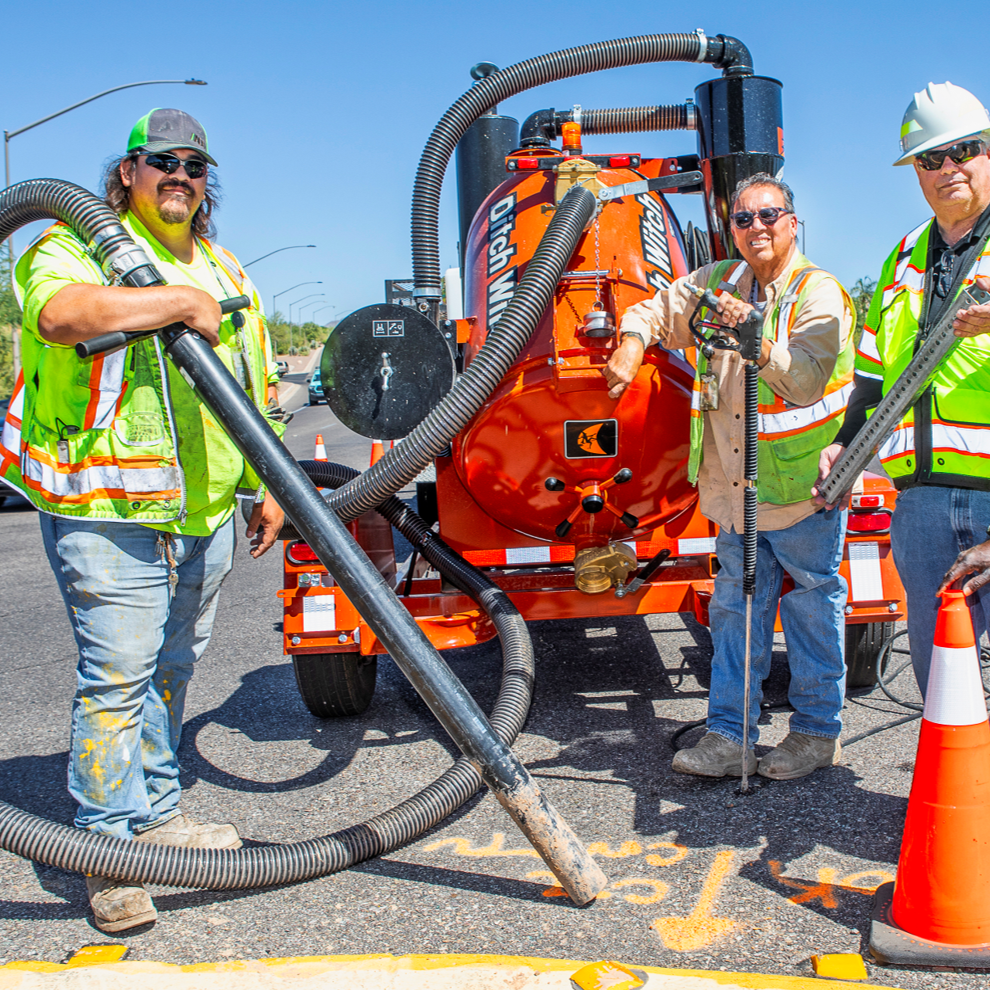
Proactively keep roads in good condition.
Increase the efficiency of all signalized intersections.
Reduce vehicle miles traveled between housing, shopping, and employment areas.
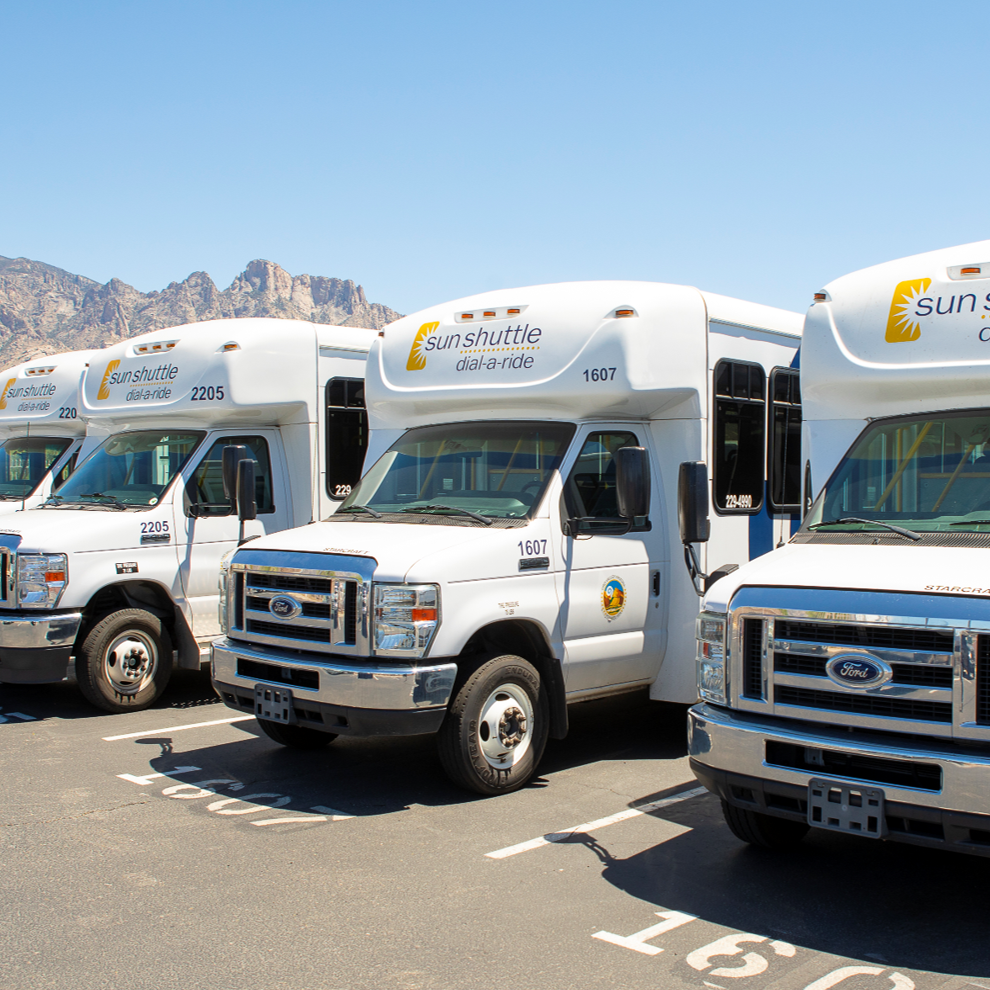
Increase public transportation options, like Dial-A-Ride and commuter bus routes that provide focused transit options.
Increase safety and connectivity for pedestrians and cyclists.
Improve the transportation system to support all users.
Click on the images below to see the policies and specific actions the Town will take to achieve each goal.
Foster transportation options that support the diverse and growing needs of the community.
Relationship to Other Goals in the Plan
The topics in this chapter are interrelated with other aspects of the Plan, in the same way they are connected in our lives. The following table depicts the overlap between this chapter's goals (and associated policies and actions) and other goals.
Please click on the links below to read the related goals, policies, and actions.
If you are viewing this website on a mobile device, please use full-screen mode (landscape).
Oro Valley is known for having well-maintained roadways and a comprehensive network of multi-use paths, bike routes, sidewalks, and a growing system of trails.
The community strives to improve safety and connectivity for all travelers in Oro Valley. Our priorities that shaped this part of the Plan include:
Maintaining roads in a proactive manner.
Increasing the efficiency of all signalized intersections.
Reducing dependency on vehicles through other modes of transportation like public transit, bicycling, walking, and more.
Increasing safety for all users, especially at major intersections.
Oro Valley's Roadway Network
Oro Valley’s Roadway Network includes four roadway classifications:
Major arterial.
Minor arterial.
Collector (major and minor).
Local.
Each of these classifications is designated by the Arizona Department of Transportation based on the number of lanes, the average daily traffic (ADT) volume, and the roadway’s accessibility and users’ mobility. Each classification covers a variety of functional and physical characteristics. The Circulation Classifications and Standards table below outlines the basic characteristics of each classification in Oro Valley. Detailed cross-sections for each classification are shown in Oro Valley’s Subdivisions Street Standards and Policies Manual. Please click here for the accompanying Circulation Map.
Street Classification
Service Function
Bike Facilities
Access
Medians
On-Street Parking
Sidewalks
Rights-of-Way
Major Arterial
High speeds, regional access
Curbed bike route, Multi-Use Land and/or Shared Use Path
Access suburban centers
Yes
None
None
150-300 feet
Minor Arterial
Moderate speeds and trip lengths
Curbed bike route. Multi-Use Lane and/or Shared Use Path
Intra-community continuity
Yes
None
Both sides on curbed streets
75-150 feet
Collector
Distribute trips from arterials to destination
Curbed bike route. Multi-Use Lane.
May penetrate residential neighborhoods
No
None
Both sides on curbed streets
50-150 feet
Local
Low speeds, through traffic discouraged
None
Direct access, lowest traffic mobility
No
One or both sides
Both sides on curbed streets
50-60 feet
The guiding principle provides the foundation for building goals, policies, and actions. It represents the desires of our community.
Maintain good roads, manage traffic flow, and encourage a variety of transportation options.
Proactively keep roads in good condition.
Increase the efficiency of all signalized intersections.
Reduce vehicle miles traveled between housing, shopping, and employment areas.
Increase public transportation options, like Dial-A-Ride and commuter bus routes that provide focused transit options.
Increase safety and connectivity for pedestrians and cyclists.
Improve the transportation system to support all users.
Click on the images below to see the policies and specific actions the Town will take to achieve each goal.
Foster transportation options that support the diverse and growing needs of the community.
Relationship to Other Goals in the Plan
The topics in this chapter are interrelated with other aspects of the Plan, in the same way they are connected in our lives. The following table depicts the overlap between this chapter's goals (and associated policies and actions) and other goals.
Please click on the links below to read the related goals, policies, and actions.